1. The Montessori Home
Author: Ashley Yeh
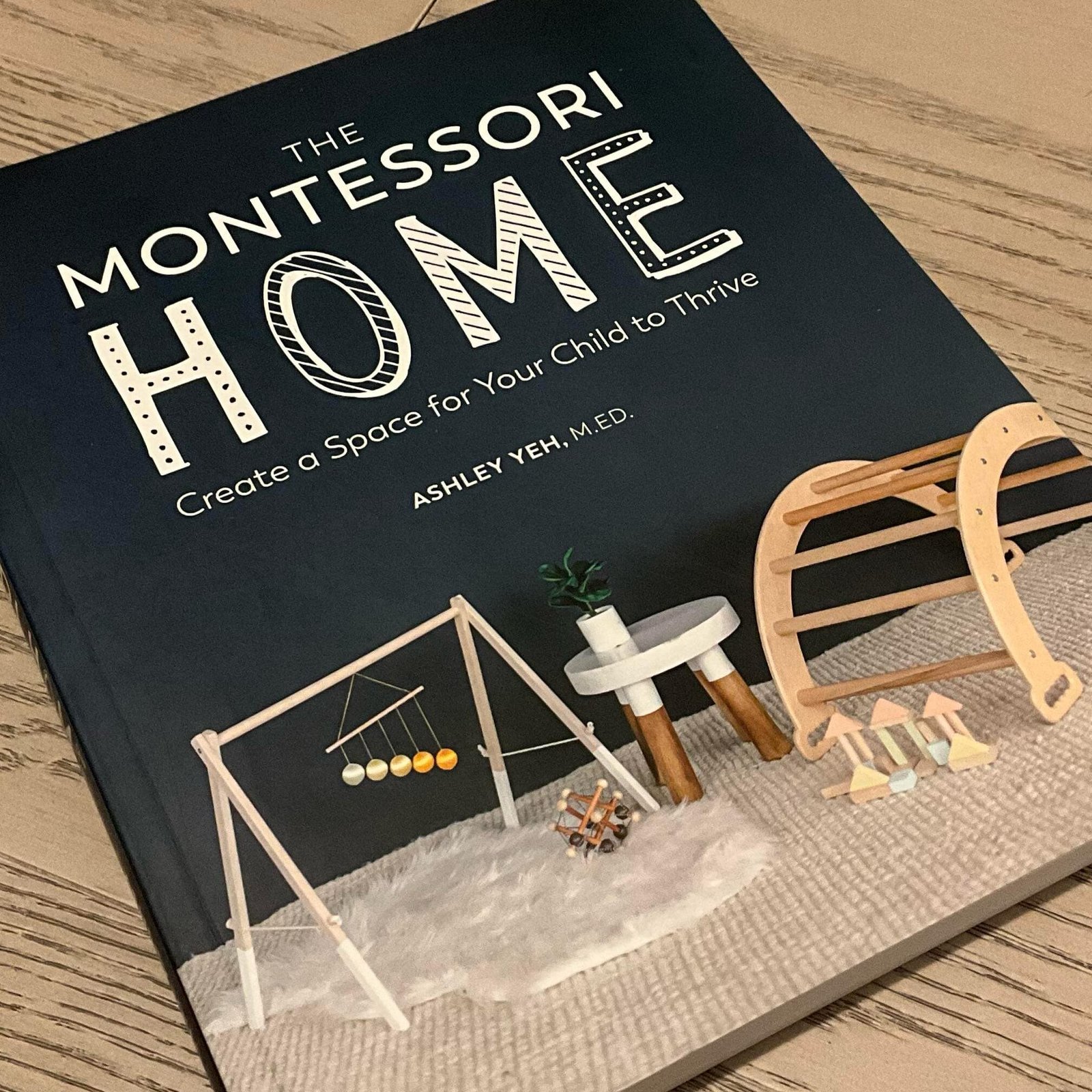
The Montessori Home was the first book I read to learn how to create a Montessori environment for my son at home. It provides an incredibly detailed guide on how to transform each area of the house, from the child’s bedroom to the kitchen, to support their independence and growth. The book emphasizes creating spaces where children can move freely and access items suited to their size, fostering a sense of autonomy. It also highlights practical, hands-on activities that are tailored to their developmental stages. From organizing toys to setting up learning corners, it covers every corner of the home with thoughtful advice on how to make the environment an enriching space for the child to thrive.
For more insights and resources, you can visit Ashley’s website or her YouTube channel.
2. Baby Sign Language made easy
Author: Lane Rebelo
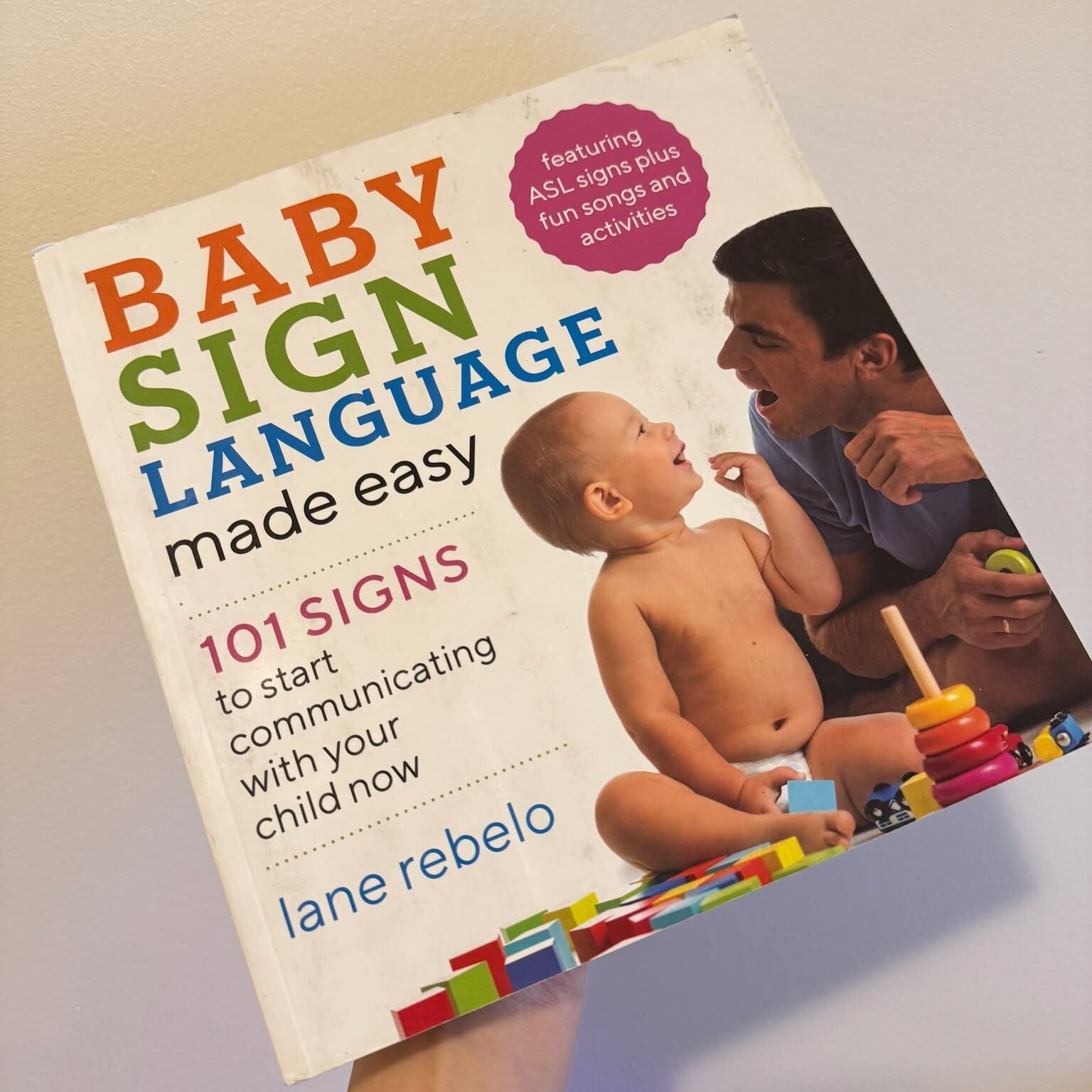
Baby Sign Language is the book I take in and out from the shelf the most. Through it, my son has started learning a new language, and I’ve been learning along with him. Now that he’s 16 months old, although he isn’t speaking yet, we can communicate with each other using simple and easy sign language. Signs like “milk,” “more,” “help,” “drink,” “eat,” and others have made our communication so much easier and more meaningful. It’s been such an exciting journey, watching him connect and express himself in this new way!
____________________________
3. The Montessori Book for Babies and Toddlers: 200 Creative Activities for At-Home
Author: Maria Stampfer
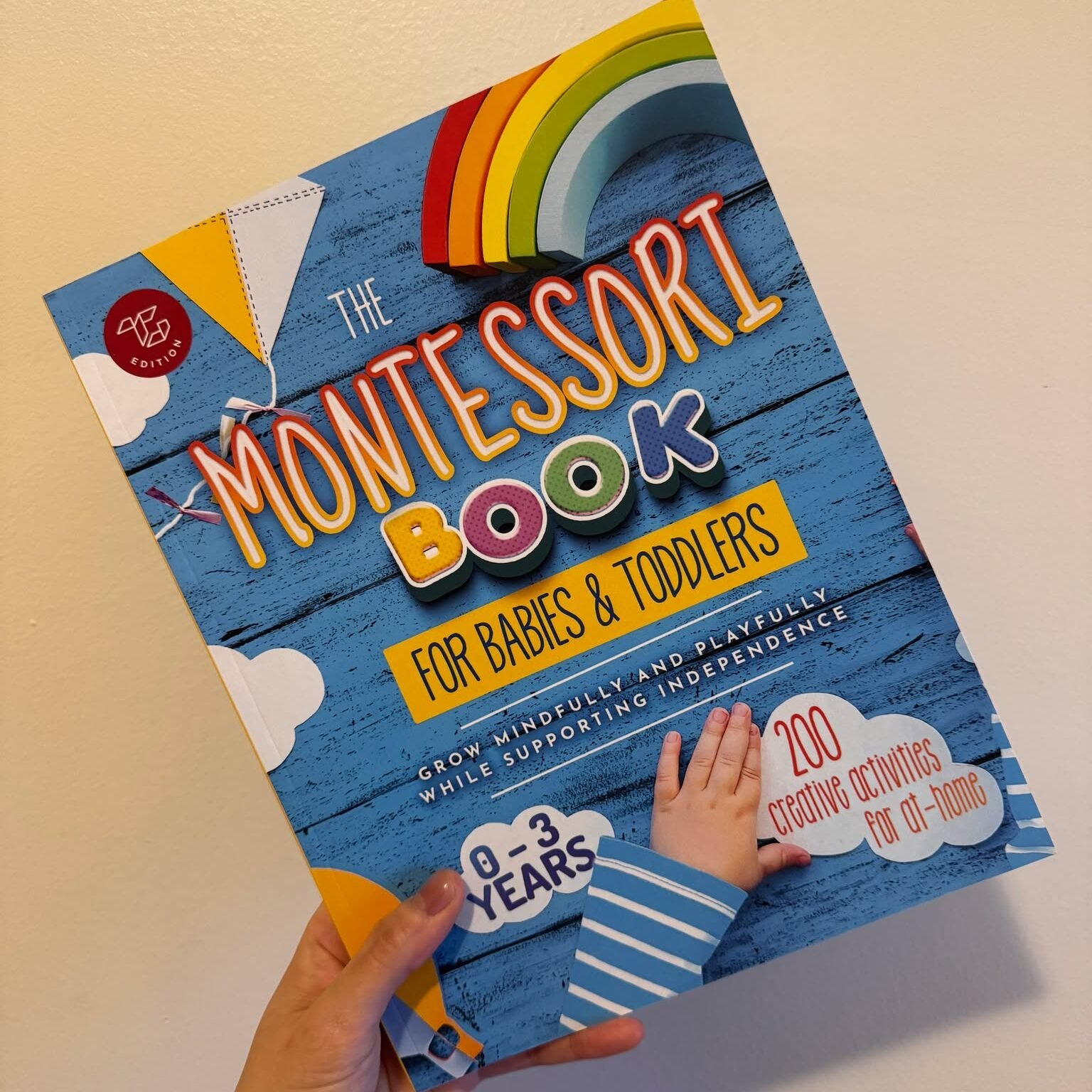
Montessori toys and accessories can be expensive for some families, but this book has given me so many ideas on how to create Montessori activities using things I already have at home. I started using it when my baby was just 3 months old, and it really helped me understand Montessori concepts in a simple way—without needing guidance from a professional.
The book also answered a lot of my questions, like:
- Which exercises are suitable for each age?
- What materials should I choose?
- How can I present toys in an appealing and organized way?
- How can I prepare my home before giving birth?
- Are Montessori toys really necessary, or can I use alternatives?
- How can I incorporate Montessori into my busy, everyday life?
It’s been such a helpful guide in making Montessori work for our family!
____________________________
4. How to Talk So Kids Will Listen & Listen So Kids Will Talk
Author: Adele Faber and Elaine Mazlich
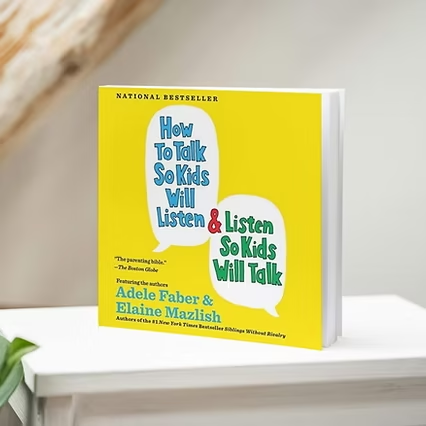
How to Talk So Kids Will Listen & Listen So Kids Will Talk has been a great resource for me, even though my son is only 16 months old and not yet able to fully speak or understand. Reading it now is helping me prepare for how to communicate with him as he gets older.
The book provides so many practical examples of how to talk to kids in a calmer, more effective way—without frustration or anger. It’s also helped me become more patient in handling different situations between a mom and a child. I love that it focuses on building a strong, respectful connection, which is exactly what I want as my son grows.
____________________________
As a new parent, choosing the right books has made a huge difference in my parenting journey. Each one I’ve read has given me valuable insights, from creating a Montessori environment to improving communication and understanding my child’s development. I’ve realized that parenting isn’t about having all the answers right away—it’s about learning, adapting, and growing alongside my child. Reading these books has given me the confidence to navigate different stages with more patience and intention. If you’re a new parent, I highly recommend picking up books that align with your parenting values—it truly makes the journey more meaningful and less overwhelming.